How Long After Stopping Ozempic Should You Start Skin-Tightening Treatments?
Reaching a major weight-loss milestone with Ozempic or another GLP-1 medication can feel exciting and empowering. However, after losing weight—especially when that weight comes off quickly—you may notice loose skin, crepey texture, cellulite, or areas that no longer appear as firm as they once did.
This often leads to an important question: When should you start skin-tightening treatments after Ozempic?
There is no universal waiting period that applies to everyone. In many cases, the right time to begin treatment has less to do with the date of your final injection and more to do with whether your weight, health, hydration, and nutrition are reasonably stable.
A professional consultation can help determine whether you are ready to begin treatment or whether waiting a little longer may produce a better, more predictable plan.
Why Does Timing Matter?
Non-surgical skin-tightening treatments work with your body’s natural processes. Depending on the technology, a treatment may stimulate collagen, improve circulation, support lymphatic movement, or improve the appearance of skin texture.
These changes do not happen instantly. Your body needs adequate time, nutrition, hydration, and overall stability to respond.
If you begin treatment while your weight is still changing rapidly, the skin and underlying tissue may continue to change throughout your treatment series. That can make it more difficult to evaluate your progress or determine which areas need the most attention.
Waiting too long is not necessarily harmful, but addressing concerns after your weight begins to stabilize may allow your provider to create a plan that more accurately reflects your current body.
Do You Have to Stop Ozempic Before Starting Skin Tightening?
Not necessarily.
Some people begin non-invasive body-contouring or skin-tightening treatments while they are still taking a GLP-1 medication. Others wait until they have reached their goal weight, entered a maintenance phase, or stopped taking the medication under the direction of their prescribing provider.
You should never stop Ozempic or change your medication schedule solely to begin a cosmetic or wellness treatment. Any medication decision should be made with the healthcare professional who prescribed it.
During your consultation, disclose all medications you are taking, including the specific GLP-1 medication, dosage, and any recent changes. This helps your provider evaluate whether the service is appropriate for you.
Signs You May Be Ready for Skin-Tightening Treatments
Although every client is different, the following signs may indicate that it is a reasonable time to schedule a consultation.
Your weight has started to stabilize
You do not necessarily have to maintain the exact same weight every day. Normal fluctuations happen. However, you may be better positioned for a customized treatment plan when you are no longer losing large amounts of weight quickly.
You are approaching a GLP-1 weight-loss plateau
A plateau occurs when your rate of weight loss slows or your weight remains relatively steady. This can be a useful point to evaluate your skin, body contours, and remaining concerns.
GLP-1 plateau body contouring does not replace healthy habits or medical weight management. Instead, it may help address concerns such as loose-looking skin, cellulite, or areas that do not appear as smooth and firm as you would like.
Your hydration and nutrition are consistent
Adequate hydration and nutrition are important for overall health and normal tissue function. Rapid weight loss or appetite suppression can sometimes make it difficult to consume enough fluids, protein, and essential nutrients.
Aesthetic treatments cannot compensate for nutritional deficiencies. If you have concerns about your intake, speak with your physician or a qualified nutrition professional before beginning a treatment series.
Your treatment goals are clear
You may be ready for a consultation if you can identify what you want to improve. For example:
- Loose or crepey abdominal skin
- Reduced firmness in the arms or thighs
- Cellulite that appears more noticeable
- Puffiness or fluid retention
- Changes in the appearance of the buttocks
- Uneven skin texture
- Reduced definition after weight loss
Different concerns may require different technologies. Identifying your priorities helps your provider recommend the most appropriate approach.
You understand what non-surgical treatments can achieve
Non-invasive treatments may improve the appearance of mild to moderate skin laxity, cellulite, and body contours. However, they cannot remove large amounts of excess skin or produce the same results as surgery.
Being ready also means having realistic expectations about the degree of improvement, the number of sessions required, and how quickly results may appear.
What Happens If You Start Too Early?
Beginning treatment too early does not automatically mean that something will go wrong. However, continuing rapid weight loss may change the areas being treated.
For example, you might begin treating loose abdominal skin and then lose additional fat from that area. The skin may appear different by the end of the treatment series than it did during the first appointment.
Starting too early may also:
- Make progress more difficult to measure
- Change which areas need treatment
- Require modifications to your original plan
- Increase the likelihood that additional sessions will be needed
- Produce expectations that do not match your body’s ongoing changes
This is why an honest consultation is so important. Sometimes the best recommendation is to begin now. In other situations, your provider may recommend monitoring your progress and reevaluating after your weight becomes more stable.
Can You Wait Too Long?
There is no strict deadline for beginning skin-tightening treatment after weight loss. People seek non-surgical treatment months or even years after reaching their goal.
However, skin quality naturally changes with age. Collagen and elastin production gradually decline, and factors such as sun exposure, smoking, hormones, genetics, and overall health can affect the skin’s ability to respond.
Starting a consultation once your weight has stabilized gives you an opportunity to understand your options and begin supporting your skin sooner. It does not mean you must immediately commit to a full treatment series.
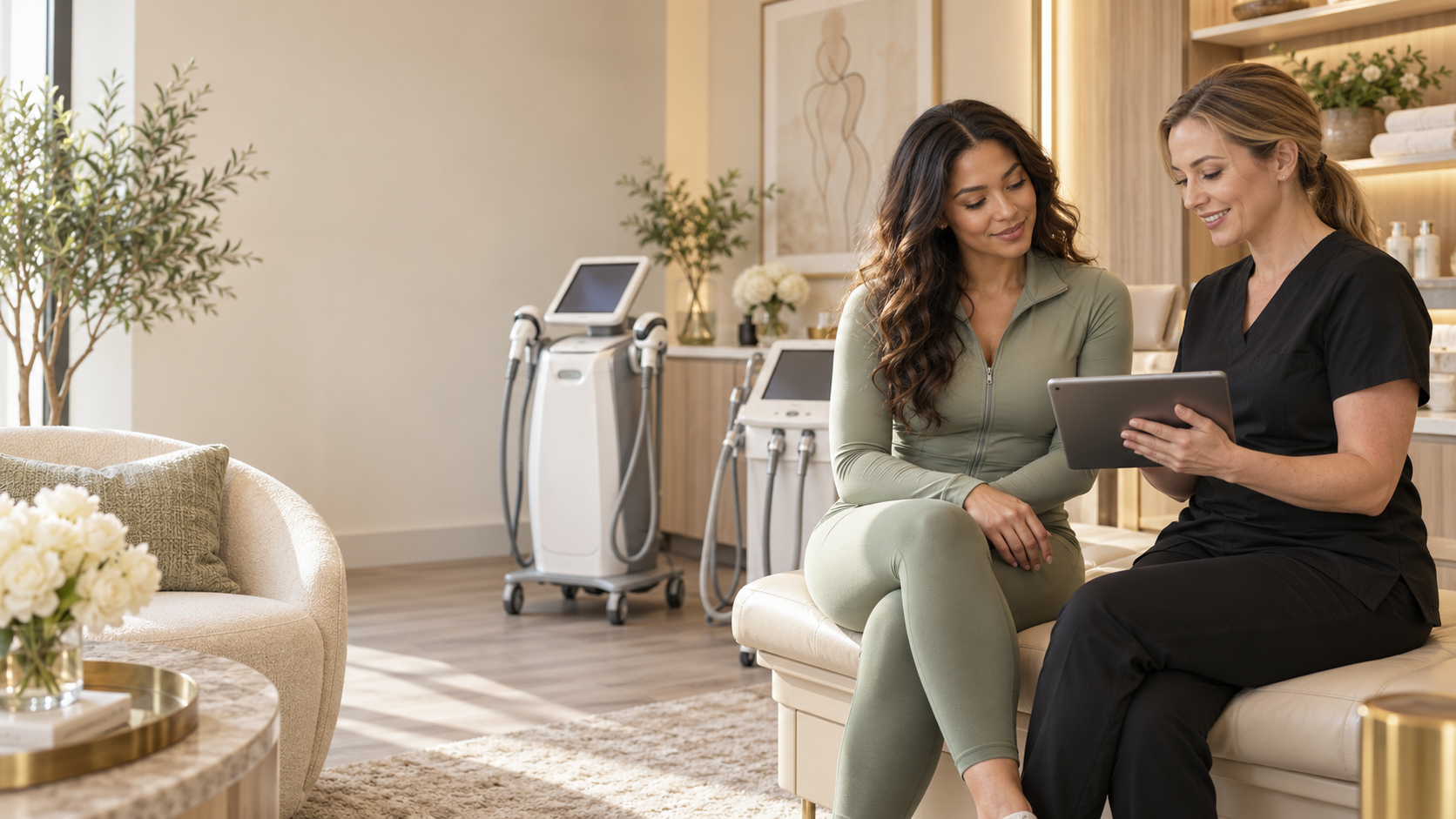
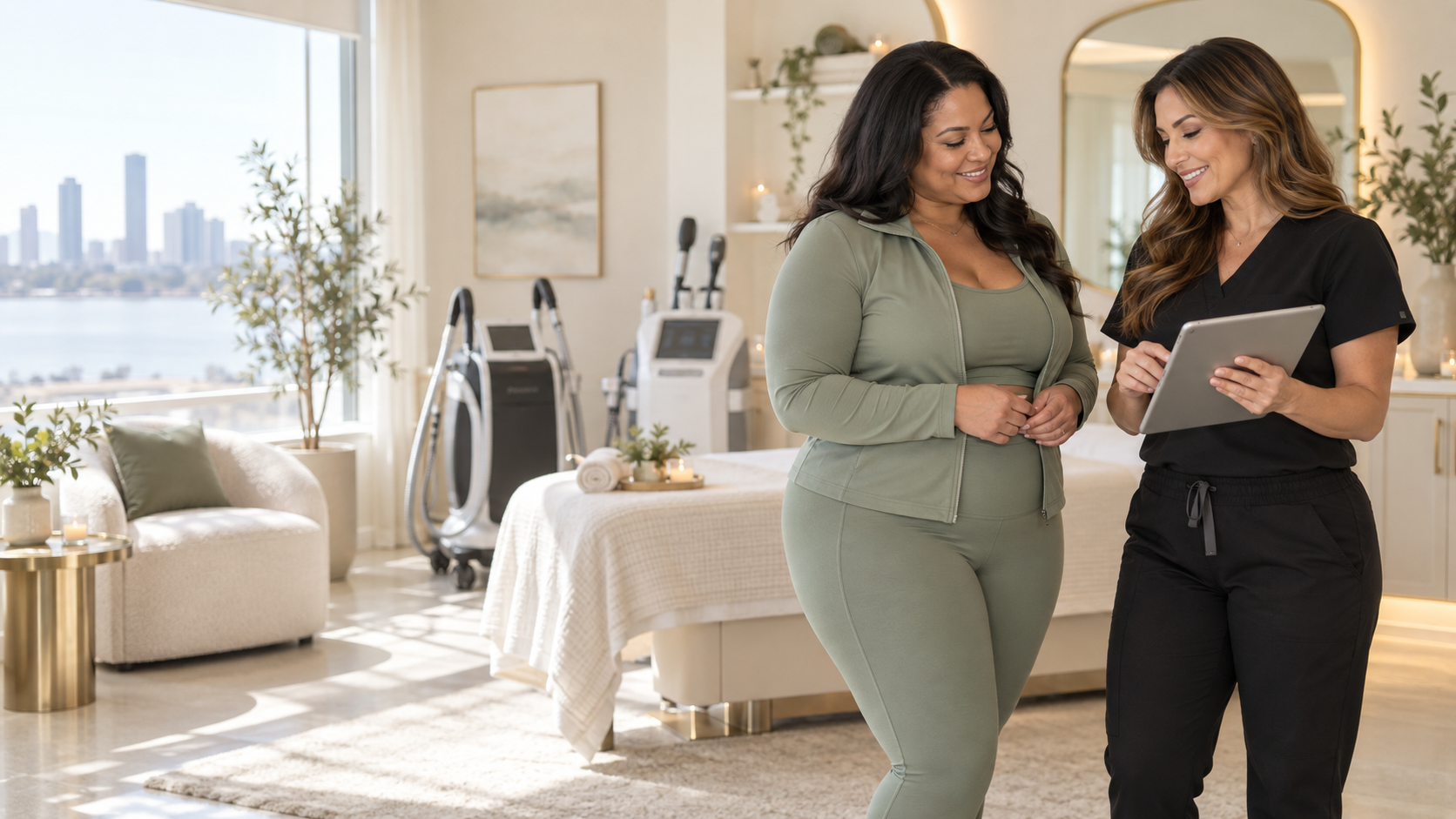
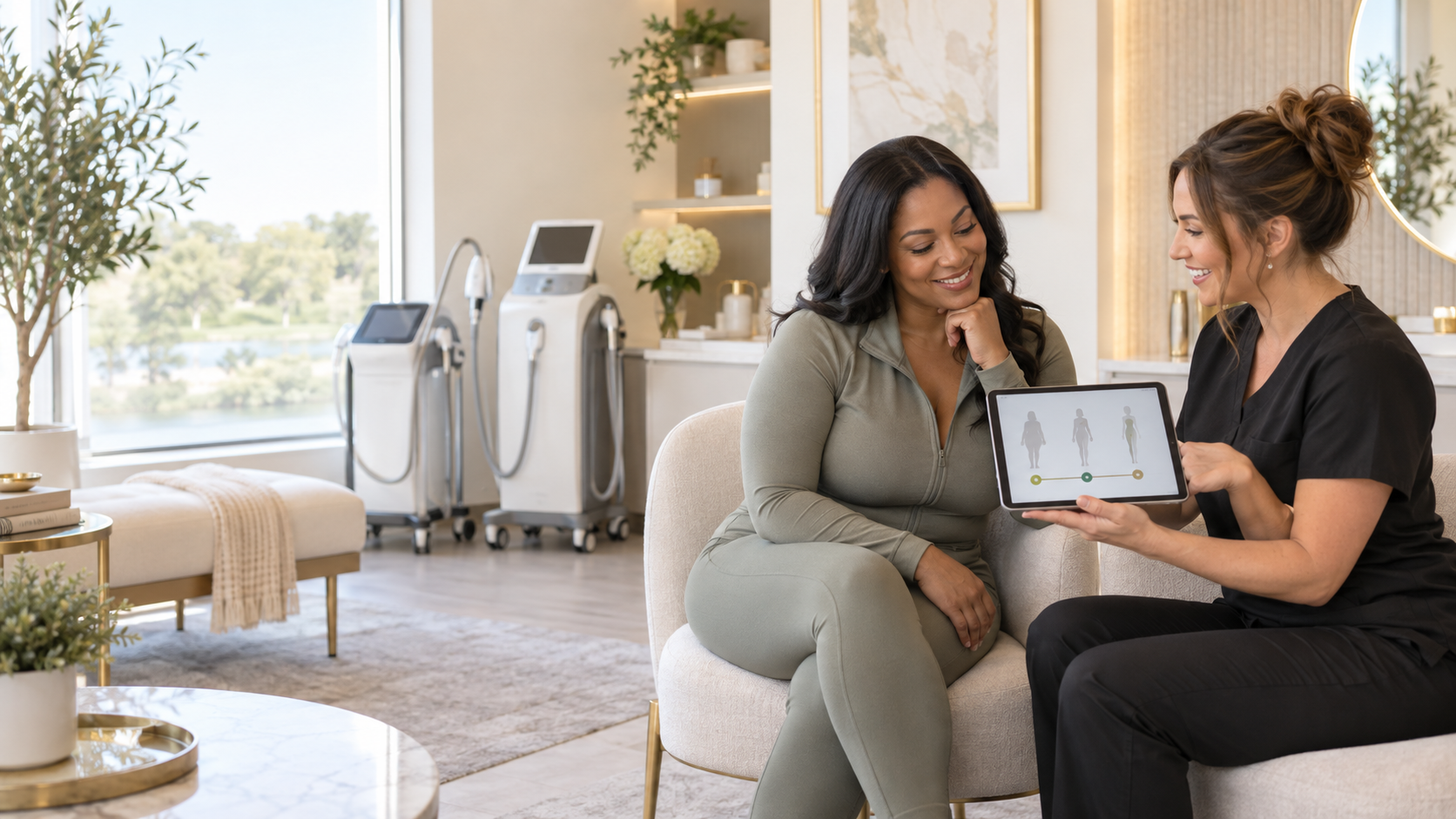
What Will a Nurse-Led Consultation Evaluate?
A responsible consultation should involve more than simply selecting a treatment from a menu.
At A to Zen Bodyworks Healing Spa, the consultation process may consider:
- Your weight-loss history
- Whether you are still actively losing weight
- Your current GLP-1 medication status
- Your medical history
- The condition and elasticity of your skin
- The location and degree of skin laxity
- The presence of cellulite or fluid retention
- Your hydration and general wellness
- Your goals and expectations
- Whether you may need medical or surgical guidance instead
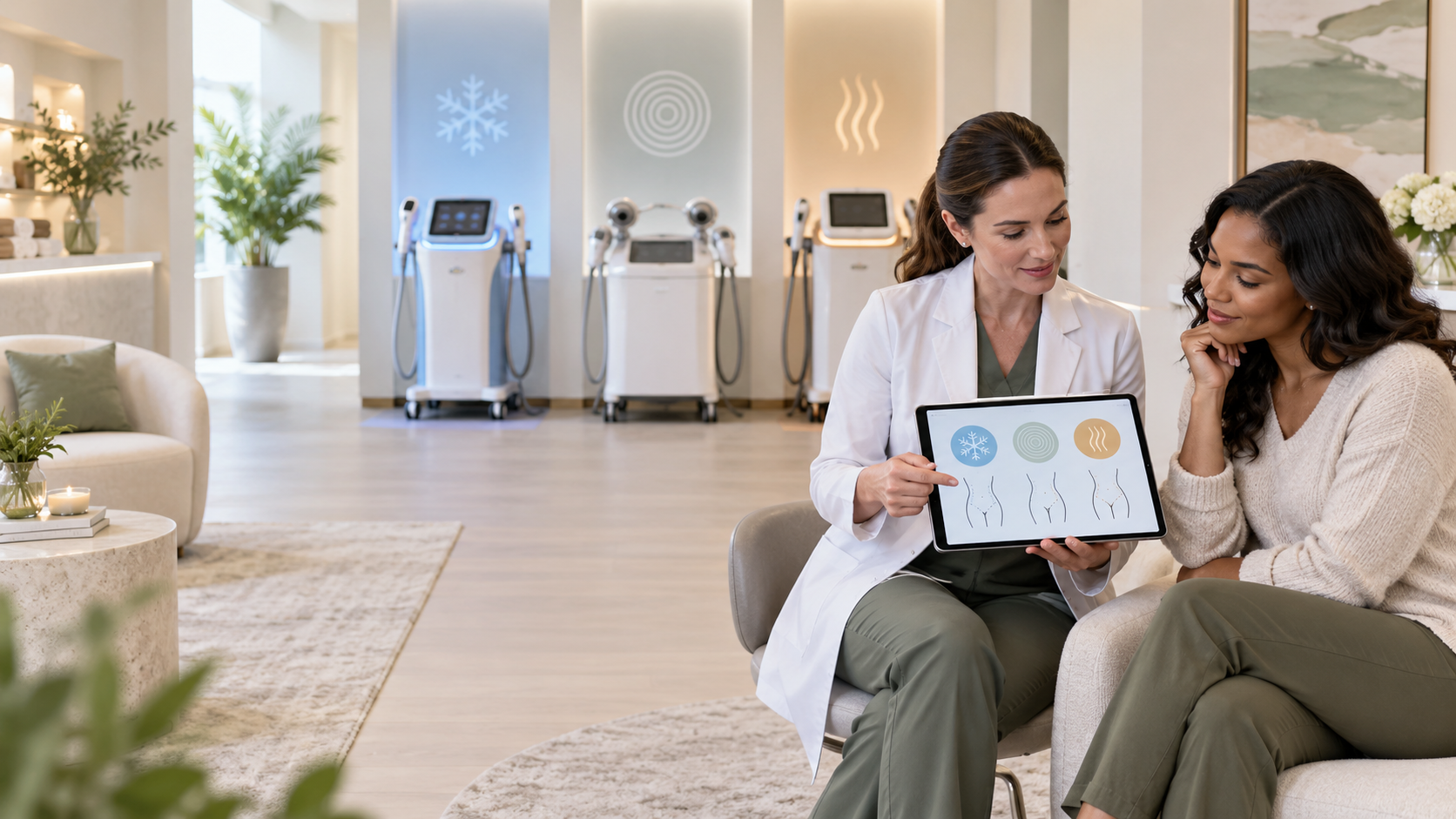
This information helps determine whether a service such as Venus Legacy, Endosphere Therapy, Venus Bliss, or manual lymphatic drainage may be appropriate.
What Might a Post-Ozempic Treatment Plan Look Like?
A personalized plan may use one treatment or combine several services.
For example, a client experiencing mild abdominal laxity, visible cellulite, and temporary puffiness might receive a plan that includes:
- An initial consultation and body assessment
- Endosphere Therapy to support circulation, lymphatic movement, and skin texture
- Venus Legacy treatments to support collagen and improve the appearance of firmness
- Progress evaluations during the treatment series
- Maintenance appointments based on the client’s response and goals
This is only an example. Your treatment sequence and number of sessions should be based on your individual assessment.
How Long Does It Take to See Results?
Your skin-tightening-after-weight-loss timeline will depend on the treatment being performed and how your body responds.
Some clients may notice temporary improvements in circulation, puffiness, or skin texture shortly after treatment. Collagen-related changes generally develop more gradually because the body needs time to produce and reorganize collagen.
A series of appointments is commonly recommended. Your provider should explain:
- How many initial sessions may be appropriate
- How frequently appointments should be scheduled
- When progress will be evaluated
- What results are realistic
- Whether maintenance treatments may be beneficial
Avoid providers who guarantee a specific result or promise that a single non-invasive treatment will completely eliminate loose skin.
Supporting Your Results at Home
Professional treatments are only one part of caring for your skin after weight loss. You can also support your overall wellness by:
- Following your prescribing provider’s recommendations
- Drinking adequate water
- Consuming sufficient protein and nutrients
- Participating in strength training when medically appropriate
- Protecting your skin from excessive sun exposure
- Avoiding smoking
- Maintaining a stable, sustainable weight
- Following all pre-treatment and aftercare instructions
No cream, supplement, or at-home device can guarantee the elimination of loose skin. Consistent healthy habits, realistic expectations, and a professionally designed treatment plan provide a more responsible approach.
Schedule a Post-Weight-Loss Consultation in Medford, NJ
You do not have to guess when to start skin-tightening treatments after Ozempic.
At A to Zen Bodyworks Healing Spa, we provide personalized, nurse-led consultations for clients experiencing loose skin, cellulite, fluid retention, and changes in body contours after GLP-1 weight loss.
We will evaluate where you are in your weight-loss journey, discuss your concerns, and explain which non-surgical treatment options may be appropriate for your body.
Schedule your consultation with A to Zen Bodyworks Healing Spa in Medford, New Jersey, and begin building a treatment plan designed around your current needs and long-term goals.
Results vary. Non-invasive skin-tightening and body-contouring services are not substitutes for medical care, medication management, weight-loss treatment, or surgery. Do not stop or change a prescribed medication without consulting the healthcare professional who prescribed it.
Recent Posts